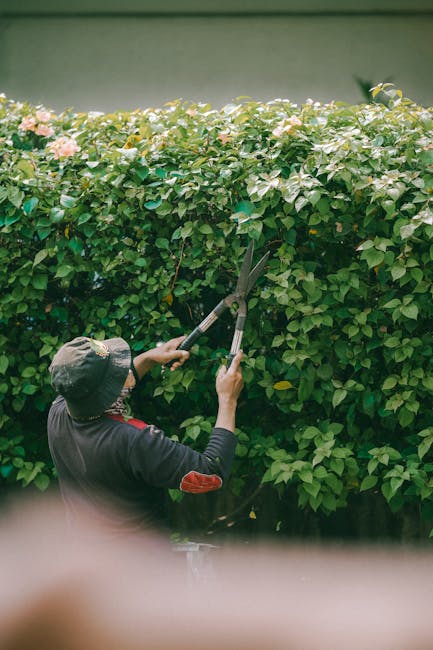
Real cost guide to Herne Hill garden maintenance and pruning
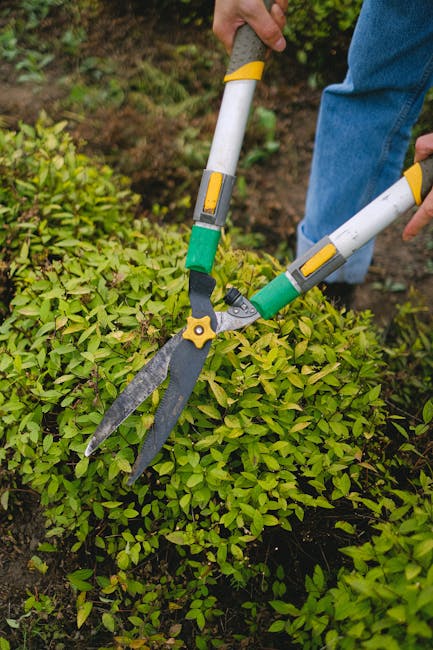
If you have ever looked at an overgrown border, a hedge that has quietly run away with itself, or a tree that seems to have doubled in size since spring, you already know the feeling: garden work looks simple until you need a real price. The Real cost guide to Herne Hill garden maintenance and pruning is here to make that decision less vague and a lot less stressful. It explains what drives cost, what a fair quote usually reflects, and how to compare services without getting caught out by cheap-but-shallow offers.
Herne Hill gardens are often a mix of compact urban spaces, mature planting, awkward access, and the usual London time pressure. That combination changes the numbers. A tidy little courtyard can take surprisingly little time; a neglected family garden with heavy pruning, green waste, and access issues is a different story entirely. Let's break it down properly.
Why Real cost guide to Herne Hill garden maintenance and pruning Matters
Prices for garden work are often quoted in a way that sounds clear, but is not. One company may quote for time on site. Another may bundle labour, waste removal, pruning height, and seasonal tidy-up into one fixed figure. Another may look cheap until the extras start appearing. So if you are comparing quotes for Herne Hill garden maintenance, you need a way to understand what is actually being charged for.
The real value of a pricing guide is not to promise a magic number. It is to help you read the quote in front of you. For example, a light monthly visit to keep a small front garden under control should not be priced like a one-off clearance of a long-neglected back garden with shrubs, climbers, and hedge work. Same postcode, totally different job. That is where people get caught.
There is also the practical side. Garden maintenance is not just about looks. Regular pruning keeps plants healthier, improves access, reduces trip hazards, and can stop minor issues from turning into awkward, expensive ones. Truth be told, a lot of garden spending is really problem prevention dressed up as tidying.
If you want a broader view of what ongoing care can include, it may help to look at garden maintenance services alongside pruning-specific work. And if the job has more than one layer, the wider services overview is useful for understanding how tasks are typically grouped.
How Real cost guide to Herne Hill garden maintenance and pruning Works
Most garden pricing starts with three basics: size, condition, and access. After that come the details. A small, tidy garden with clear access and straightforward shrub trimming will usually be quicker to price than a space that needs ladder work, waste removal, and careful cutting around mature planting. Simple enough in theory. In practice, one awkward gate or a pile of wet clippings can change the whole rhythm of the job.
Maintenance is usually charged in one of a few ways:
- Hourly rate: best when the scope is unclear or the garden has lots of variable tasks.
- Fixed quote: useful for clearly defined jobs such as hedge trimming, a seasonal tidy, or a one-off prune.
- Regular visit plan: often used for ongoing care, where the work is lighter each time and easier to keep on top of.
Pruning can be priced separately when it requires more skill, more height, or more time than general garden upkeep. That is because pruning is not just cutting things back. Done well, it considers the plant species, the season, the shape you want, and how much growth should be removed without causing stress. Done badly? Well, let's just say plants can look "tidied" and still be damaged.
A fair quote should usually reflect:
- the number and type of plants or hedges involved
- whether the work is light shaping or more substantial reduction
- waste collection and disposal
- difficulty of access
- required tools and safety measures
- how long the work is likely to take
If hedge work is a big part of the job, it is worth comparing the quote against dedicated hedge trimming support. If the lawn is also looking tired, a separate lawn mowing visit may be more efficient than folding everything into one vague "garden tidy" line.
Key Benefits and Practical Advantages
Regular maintenance often feels like an expense until you compare it with the cost of letting everything slide for three months. Then the picture changes fast. A garden that is lightly maintained is usually easier, quicker, and cheaper to service than one that needs rescue work every time. That is not marketing fluff; it is just how labour works.
Here are the main benefits:
- Lower long-term cost: small jobs are usually less labour-intensive than major recoveries.
- Better plant health: careful pruning can improve airflow, shape, and growth balance.
- Cleaner appearance: little things add up. A trimmed hedge and edged lawn make a garden feel cared for quickly.
- Reduced risk: fewer overhanging branches, less messy access, and less chance of garden clutter building up.
- Less stress: you are not looking out the window every week thinking, "Right, that's going to be a whole thing."
There is also a subtle financial advantage. A well-kept garden tends to stay in the "maintenance" category rather than tipping into "clearance" territory. Once that line is crossed, costs often rise because more material has to be cut, lifted, bagged, and removed. If that is already happening, a one-off garden clearance may be the cleaner way to reset the space before normal upkeep resumes.
Expert summary: the cheapest job on paper is not always the cheapest job overall. In garden work, regular attention usually beats expensive catch-up work, especially where pruning and waste disposal are involved.
Who This Is For and When It Makes Sense
This guide is useful if you are a homeowner, landlord, tenant, or property manager trying to work out whether a quote is reasonable. It is especially relevant if your garden has shrubs, hedges, small trees, or seasonal growth that gets away from you quickly. Herne Hill gardens often sit in that awkward middle ground: not huge estates, but not completely low-maintenance either.
It makes sense to budget for maintenance and pruning if:
- the garden needs regular shaping rather than a full redesign
- you want to avoid big seasonal tidy-ups
- you are preparing a property for sale or letting
- access is tight and the work needs time rather than brute force
- you have mature planting that should not be hacked back casually
It can also be a good idea if the space has mixed features, such as planting beds, a small lawn, a decked area, or paths that collect debris. In those cases, maintenance often overlaps with other services. For example, a garden with tired hard landscaping may need some landscaping support, or a garden that is being refreshed for better structure may benefit from landscape gardening rather than simple upkeep alone.
And if you have timber features that need care at the same time, it is sensible to ask whether decking services should be added to the job. Sometimes the best value comes from bundling sensible tasks together. Sometimes it doesn't. Depends on the garden. Honestly, that part is a bit of a judgement call.
Step-by-Step Guidance
Here is the practical way to approach pricing without overcomplicating it.
- List the work clearly. Separate mowing, hedge trimming, pruning, clearance, weeding, and any minor repairs.
- Note the condition. Is it a routine tidy or a neglected space? That distinction matters a lot.
- Check access. Narrow side returns, locked gates, shared passageways, and parking distance can all affect labour time.
- Identify height or safety issues. Anything that needs ladders, reach tools, or careful handling is usually more involved.
- Ask what is included. Labour only? Waste removal? Disposal fees? Plant waste bagging? Edge finishing? Be specific.
- Compare like with like. Two quotes can look similar but cover very different workloads.
- Decide on frequency. Monthly, fortnightly, seasonal, or one-off. The right pattern changes the price and the result.
One useful trick is to ask for the quote to separate routine maintenance from pruning work. That way, you can see whether the cost is being driven by ongoing care or by one larger intervention. It is a small thing, but it helps. A lot.
If you are unsure how a provider structures pricing, checking the page on pricing and quotes can help you understand what information to prepare before you ask. That usually makes the whole process smoother and less back-and-forth.
Expert Tips for Better Results
After a while, you notice that the best-value jobs are rarely the flashiest ones. They are the well-planned ones. A few small habits make garden maintenance and pruning more cost-effective without cutting corners.
- Book before growth peaks. Spring and early summer are often busy. Waiting until everything is wild usually costs more time.
- Keep a simple schedule. If hedges and shrubs are reviewed regularly, each visit is lighter.
- Be honest about neglect. No one wins if the quote is based on a pretty version of the garden.
- Ask about waste handling early. Green waste is often a hidden cost if it is not discussed.
- Group compatible tasks. A single visit can be more efficient than several small call-outs.
- Use the season wisely. Some pruning is best timed carefully, so don't rush it just because it is convenient.
A small but useful observation: gardens in built-up areas tend to collect more debris than people expect. Leaves blow in, cuttings spill into corners, and shaded spots stay damp. If you want the job to last, ask the team to finish with a proper clean-up. The sound of a rake on paving at the end of the visit is oddly satisfying, by the way.
Also, if your garden is more than a simple tidy-up, ask whether the service provider can handle the full scope through their broader services overview. It can save you from coordinating several different visits for what is, really, one joined-up problem.
Common Mistakes to Avoid
There are a few repeat mistakes that make garden work more expensive than it needs to be. Most of them are easy to avoid once you know what to look for.
- Choosing only on headline price. A cheap quote with no waste removal may not stay cheap.
- Using "pruning" as a catch-all term. Light shaping, reduction, rejuvenation, and crown work are different things.
- Ignoring access problems. If the team has to carry everything through a narrow side passage, that should be reflected in the price.
- Leaving too much growth between visits. The longer you wait, the more likely the work becomes corrective rather than routine.
- Not asking what happens to the waste. Green waste disposal can be a real part of the job.
- Over-pruning at the wrong time. Some plants recover well; others really do not appreciate a hard reset.
Another classic one: assuming every gardener will treat hedges, shrubs, and trees the same way. They won't, and they shouldn't. Tree-related work often needs a different level of care, especially where height or structural safety is involved. In those cases, it is worth looking at tree lopping and removal rather than folding it into routine pruning.
And yes, it is easy to ask for "just a tidy". But tidy can mean ten different things. Be a bit specific. Your future self will thank you.
Tools, Resources and Recommendations
You do not need a shed full of professional kit to understand or manage garden costs, but it helps to know what is usually involved. The tools used often signal the level of work and the time required.
- Secateurs and loppers: for precise cuts on smaller stems and shrubs.
- Hedge trimmers: for faster shaping on denser growth.
- Pruning saws: for thicker branches that cannot be handled neatly by hand tools.
- Lawn equipment: for keeping grass in a condition that doesn't drift into a much bigger job.
- Waste bags and transport: because neat work still creates material that has to go somewhere.
From a homeowner's point of view, the most useful "resource" is probably a good brief. Write down what you want done, what you definitely do not want done, and anything you are worried about. For example, if a shrub has sentimental value or you are not sure whether a tree should be reduced at all, say so upfront. It avoids confusion later.
If you are reviewing a larger or messier garden, it may also help to compare maintenance against a more thorough reset through garden clearance. That is not always the cheaper option immediately, but sometimes it is the better starting point. Especially after a season of neglect. We have all been there.
Law, Compliance, Standards, or Best Practice
For most domestic garden jobs, the main concerns are not dramatic legal ones but sensible best practice: safety, care, and clear agreements. That said, it is still worth checking that anyone doing the work follows appropriate insurance and safety procedures, especially where ladders, tools, heavy waste, or tree work is involved.
Good practice usually includes:
- using the right equipment for the task
- working carefully around boundaries, paths, and shared access
- taking care not to damage plants unnecessarily
- being clear on what is included in the quote
- handling waste responsibly
If you are comparing providers, look for clear information about health and safety policy and insurance and safety. Those details matter more than people sometimes think, especially if pruning involves height, awkward access, or heavier branches. One loose assumption in a garden can turn into a very unhelpful afternoon.
There is also a practical sustainability angle. Plenty of garden waste can be reused, composted, or handled more responsibly than simply dumped and forgotten. If that matters to you, ask about recycling and sustainability. It is a good sign when a provider can explain this clearly without sounding vague or defensive.
Options, Methods, or Comparison Table
Here is a simple comparison of the most common ways garden maintenance and pruning are priced or delivered. The exact numbers will vary, but the logic stays the same.
| Option | Best for | Typical advantages | Possible downside |
|---|---|---|---|
| Hourly visit | Unclear or mixed jobs | Flexible, useful for small adjustments | Harder to predict final cost |
| Fixed quote | Defined pruning or tidy-up tasks | Clear pricing, easier to compare | Needs a proper description of the work |
| Regular maintenance plan | Ongoing care and seasonal visits | Often best value over time | Less suitable for one-off heavy jobs |
| Clearance first, maintenance after | Overgrown gardens | Resets the space properly | Higher upfront cost than a simple tidy |
In many Herne Hill gardens, the best answer is not one method forever. It is a sequence. A more neglected space may need a clearance or heavier pruning first, then lighter recurring care later. That approach is often kinder to the garden and easier on the budget in the long run.
Case Study or Real-World Example
Imagine a typical rear garden with a small lawn, two medium shrubs, one hedge along the boundary, and a few climbing plants that have started to tangle into each other. Nothing dramatic, but not exactly "quick once-over" territory either. The owner wants it tidy for summer and has not had it professionally maintained for a while.
In a case like that, the cost is usually shaped by three things: the hedge, the amount of pruning needed, and the cleanup. If the shrubs only need shaping, the job stays fairly straightforward. If the hedge has grown unevenly and the climbers need careful cutting back without damaging the wall or fence behind them, the work becomes more detailed. Add a bag of wet clippings and a few awkward corners, and yes, the time starts to rise.
The useful lesson here is simple: the garden did not become expensive because it was huge. It became more expensive because it was mixed, layered, and slightly out of control. That is very common in London gardens. You see it all the time in places like Herne Hill. A bit of sun, a bit of shade, a bit of "I'll deal with that later", and suddenly the whole place needs a proper reset.
In practice, the owner would usually get a better result by separating the work into sensible parts: hedge trimming, pruning, then a routine maintenance plan. That tends to be clearer, easier to manage, and more cost-aware than one big vague appointment.
Practical Checklist
Use this before you request a quote or agree a visit.
- List every area that needs attention: lawn, borders, hedges, shrubs, trees, paths.
- Decide whether you need routine maintenance or a one-off tidy.
- Note anything tall, thorny, fragile, or difficult to reach.
- Check whether waste removal is included.
- Ask if pruning will be light shaping or more substantial reduction.
- Confirm access arrangements, parking, and gate codes if relevant.
- Ask about insurance and safety for ladder or tree-related work.
- Compare the cost of maintenance against any clearance work that may be needed first.
- Consider whether related tasks, such as mowing or landscaping, should be bundled.
- Set a realistic repeat schedule so the garden does not creep back into chaos. It happens fast, annoyingly fast.
Quick takeaway: if the quote is clear about scope, waste, access, and timing, you are usually in a better position to judge value than if you are only staring at the final number.
Conclusion
The real cost of garden maintenance and pruning in Herne Hill depends less on postcode stereotypes and more on the practical details: size, access, condition, height, waste, and how often the work is done. Once you understand those factors, quotes become much easier to compare. You stop guessing. You start deciding.
A well-kept garden is rarely the result of one dramatic intervention. More often, it is a steady pattern of sensible visits, timed pruning, and realistic upkeep. That approach usually costs less over time, looks better for longer, and keeps the whole space feeling calm rather than constantly unfinished. And honestly, that calm matters more than people admit.
If you are weighing up your next step, focus on clarity first. Describe the job properly, ask what is included, and choose the option that suits the garden's actual condition rather than the version you hope it still is.
Get a free quote today and see how much you can save.
Sometimes the best garden decision is simply getting the right help at the right time. That can feel like a relief, and a pretty good one too.
Frequently Asked Questions
How much does garden maintenance in Herne Hill usually cost?
It depends on garden size, condition, access, and how much work is included. Routine maintenance is usually more predictable than one-off recovery work, especially if pruning and waste removal are involved.
Is pruning charged separately from general garden maintenance?
Often, yes. Light pruning may be included in a maintenance visit, but heavier or more technical pruning is commonly priced as a separate task because it takes more time and skill.
What makes a garden quote more expensive?
The biggest cost drivers are overgrowth, awkward access, waste disposal, height-related work, and jobs that need more detailed plant care. A neglected garden can cost noticeably more than a tidy one.
Is it cheaper to book regular visits instead of one-off work?
Usually, yes, over time. Regular care keeps the garden under control, which means each visit is lighter. That often prevents a bigger, more expensive reset later on.
Do I need hedge trimming as part of maintenance?
If hedges are part of the garden and they are growing strongly, yes, it is often worth separating hedge work so it can be priced and timed properly. It also helps make the quote clearer.
What should I ask before accepting a quote?
Ask what exactly is included, whether waste removal is covered, how access affects the price, and whether pruning will be light shaping or something more substantial. Clear questions save hassle later.
Can garden clearance be more cost-effective than trying to maintain an overgrown space?
Yes, if the garden is badly neglected. Sometimes a clearance first, then maintenance later, is the most sensible and cost-aware route. It depends on how far things have gone.
Is pruning always safe for plants?
Not always. Some plants respond well to careful pruning, while others can be damaged by the wrong timing or technique. That is why experience matters more than simply having sharp tools.
Do small gardens cost less?
Not automatically. Small gardens can still be awkward, heavily planted, or hard to access. A compact space may take less time overall, but complexity can still push the price up.
What should I do if I am not sure whether I need maintenance or landscaping?
If the garden mainly needs tidying, pruning, and routine care, maintenance is probably the better fit. If you want to change the structure, layout, or hard landscaping, then broader landscaping may be more appropriate.
How often should pruning be done?
That depends on the plant type and the result you want. Some hedges and shrubs need regular shaping, while others only need seasonal attention. A good schedule is one that suits the garden rather than forcing the garden to suit the schedule.
Should I check insurance before booking garden work?
Yes, especially if the job involves ladders, tree work, or heavier tools. It is sensible to look for clear insurance and safety information so you know the work is being handled responsibly.