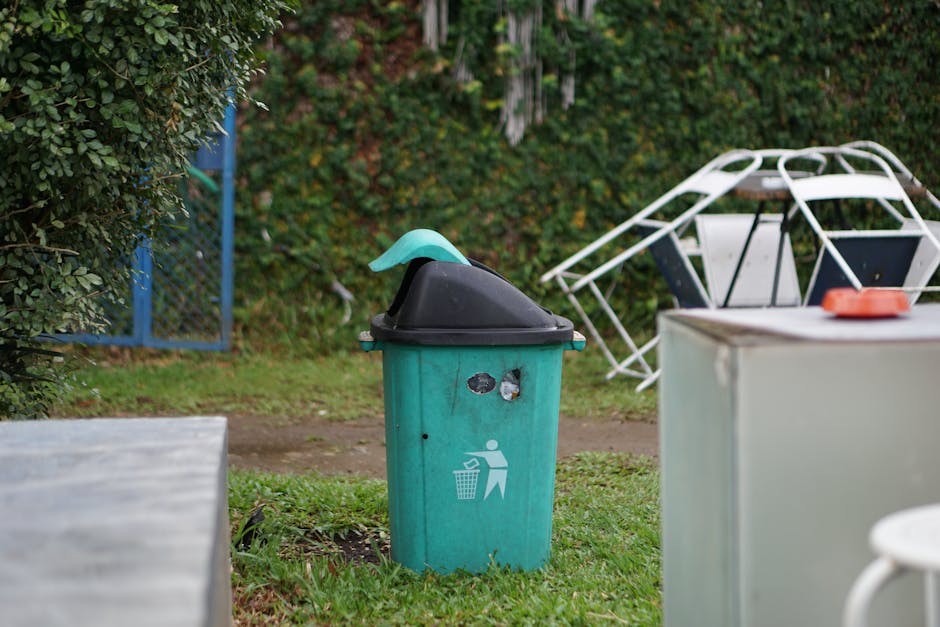
Lambeth council rules for green waste and garden disposal: a practical guide for residents
If you are trying to work out Lambeth council rules for green waste and garden disposal, you are not alone. Garden waste sounds simple until you are staring at a heap of hedge cuttings, soil, pots, branches, and a bag of weeds wondering what goes where. Can it go in the green bin? Does it need a special collection? What about bulky clippings after a big tidy-up in a small South London garden?
This guide breaks it down in plain English. We will cover what usually counts as green waste, how council-style garden disposal generally works, the common mistakes people make, and the best way to stay tidy, compliant, and practical. We will also look at when a domestic clear-out is enough and when a bigger garden job may call for help from a professional team such as garden clearance support or ongoing garden maintenance.
Truth be told, most problems come from mixing the wrong materials together. Once you understand the basics, it gets much easier. Let's get into it.
- Why Lambeth council rules for green waste and garden disposal Matters
- How Lambeth council rules for green waste and garden disposal Works
- Key Benefits and Practical Advantages
- Who This Is For and When It Makes Sense
- Step-by-Step Guidance
- Expert Tips for Better Results
- Common Mistakes to Avoid
- Tools, Resources and Recommendations
- Law, Compliance, Standards, or Best Practice
- Options, Methods, or Comparison Table
- Case Study or Real-World Example
- Practical Checklist
- Conclusion
- Frequently Asked Questions
Why Lambeth council rules for green waste and garden disposal Matters
Garden waste is one of those household tasks that looks harmless but can create real headaches if it is handled badly. In Lambeth, as in most London boroughs, the rules matter because different materials must be separated properly, and not everything from the garden is "green waste".
That distinction is a big deal. Grass cuttings, leaves, hedge trimmings, and small prunings are usually treated very differently from rubble, treated timber, fencing, compost bags, old plant pots, and soil. Mix them together and you can end up with a collection that is refused, delayed, or just messy to deal with later. Not ideal when you've already spent your Saturday sweating over the back garden, right?
There is also a practical reason these rules exist: proper separation supports recycling and lowers the amount of waste sent to landfill or incineration. In simple terms, the cleaner your waste stream, the easier it is to process responsibly. That is why many households also look at recycling and sustainability practices when planning regular garden work.
For landlords, tenants, homeowners, and anyone doing seasonal clearance, the rules affect cost, convenience, and timing. They also affect whether you can use council services, a private clearance team, or a self-managed disposal run. Get it right and everything is calmer. Get it wrong and, well, you are back to sorting a damp pile of cuttings on a dark evening. Nobody wants that.
How Lambeth council rules for green waste and garden disposal Works
Most local authority garden disposal systems work on a simple principle: keep biodegradable garden material separate from general waste and contamination. While exact collection arrangements can change, the core approach is usually consistent. Green waste should be clean, loose, and suitable for composting or similar treatment.
Here is the everyday version of how it typically works in practice:
- Green waste is separated from household rubbish. Think grass, leaves, weeds, small twigs, cut flowers, and hedge clippings.
- Contaminants are removed. Plastic bags, tie wraps, soil-heavy debris, stones, and treated materials are usually not suitable.
- Collection or disposal is arranged. That may be via a garden waste bin, a booked service, or a private clearance route depending on the volume.
- Bulky or mixed waste is handled differently. Large branches, fencing, turf, old decking offcuts, and landscaping rubble often need another method.
The key thing to understand is that "garden waste" is not one neat category. A few rose trimmings are one thing. A full garden overhaul after pruning, weeding, and digging out old beds is another matter entirely.
If the job is larger, residents often use a combination of disposal methods: one for the green parts, one for the hard materials, and one for anything reusable. That is where services like the wider services overview can help you plan a sensible approach rather than trying to cram everything into one pile and hoping for the best.
What usually counts as green waste
Green waste normally includes organic garden matter such as:
- grass cuttings
- leaves
- hedge trimmings
- small branches and prunings
- flowers and plants
- weeds
- small amounts of turf
That said, councils and contractors tend to be picky about what is mixed in. A little soil attached to roots is one thing; buckets of earth are another. It's a bit like making tea: a splash of milk is fine, a whole bag of flour, not so much.
What is usually not accepted as green waste
Items commonly excluded from garden waste collections include:
- plastic plant pots and trays
- metals, wire, and garden tools
- rubble, bricks, and concrete
- fencing, decking, and timber treated with chemicals
- large tree trunks or heavy logs
- food waste
- general household rubbish
When in doubt, separate first and ask later. A clean pile is easier to manage, easier to collect, and usually cheaper to dispose of properly.
Key Benefits and Practical Advantages
Following the right disposal approach is not just about avoiding hassle. It gives you several real-world advantages.
- Less chance of rejected waste. Proper sorting reduces the risk of collection problems.
- Cleaner gardens. Waste does not sit around attracting damp, mould, or pests.
- Better recycling outcomes. Organic waste can usually be processed more effectively when it is uncontaminated.
- Lower stress. You know what to do with each type of material instead of guessing.
- More predictable costs. Mixed waste is often more expensive to deal with than clean green waste.
There is also a subtler benefit: a tidy waste plan makes ongoing garden care easier. If you mow, prune, and maintain regularly, the waste stays small and manageable rather than becoming a giant end-of-month problem. If that sounds appealing, lawn mowing support and hedge trimming services can help keep the volume under control in the first place.
Expert summary: The best approach is usually simple: keep green waste clean, keep hard waste separate, and deal with bulky or mixed materials early rather than leaving them until the end of the job. That one habit saves time, money, and a surprising amount of backache.
Who This Is For and When It Makes Sense
This topic matters to a wide range of people, and not just keen gardeners with perfect compost heaps. In everyday use, the rules affect:
- Homeowners cleaning up after a seasonal tidy or garden redesign
- Tenants who need to leave a garden in good condition at the end of a tenancy
- Landlords and agents managing move-out clearances
- Older residents who want practical, low-effort disposal options
- Busy families who are dealing with quick weekend cut-backs
- Property managers handling shared outdoor spaces
It makes especially good sense to think about disposal rules before a large job starts. For example, if you are cutting back an overgrown border, removing dead shrubs, and clearing broken edging all in one go, you are not really dealing with one kind of waste. You are dealing with several. Planning that mix early is far easier than making a second trip later with wet sacks and a car boot that smells faintly of compost for three days.
For larger properties or jobs involving multiple waste types, it can be sensible to book help before work begins. A professional garden clearance can remove the guesswork and help prevent pile-ups on the pavement, which is never a good look in Lambeth or anywhere else.
Step-by-Step Guidance
If you want a simple workflow, use this. It is not fancy, but it works.
- Walk the garden first. Identify what you are removing: soft green waste, woody cuttings, soil, hard landscaping, or general rubbish.
- Separate waste into clear piles. Keep green waste clean and loose. Put pots, rubble, and timber in their own groups.
- Remove contamination. Shake off excess soil where possible. Take out plastic ties, labels, plant trays, and stones.
- Check volume and weight. A small bin-ready load is very different from a full clearance after months of neglect.
- Choose the disposal route. Use a suitable council collection, private garden waste solution, or a mixed-waste clearance if needed.
- Bag or bundle sensibly. Do not overfill bags. Loose material is often easier to process than tightly packed, wet clumps.
- Keep access clear. Make sure paths, gates, and driveways are usable for anyone collecting the waste.
- Finish with a quick sweep. Leaves, twigs, and small debris build up fast. Five minutes at the end can save another hour later.
A useful habit is to sort waste as you work, not after. If you prune a shrub and throw everything into one pile, then sort later, you usually end up touching the same material twice. No one likes that. Not after lunch, especially.
A practical sorting example
Imagine you have trimmed a hedge, mowed the lawn, and pulled out an old border full of weeds. The lawn cuttings and hedge trimmings can usually stay together as green waste. The weed roots might go there too if they are mostly organic. But the broken plastic edging, old pegs, and clumps of soil need separating. If you also lifted a rotten sleeper or some old fence panels, that is a different category again.
That small bit of separation is often the difference between a clean disposal run and a rather annoying mess.
Expert Tips for Better Results
There are a few habits that make garden disposal far easier, especially in built-up London gardens where space is tight and weather can turn a tidy heap into a soggy one overnight.
- Keep green waste dry where possible. Wet waste is heavier and harder to move.
- Cut long branches down to manageable sizes. Even if they are accepted, long awkward pieces waste space.
- Use breathable storage if you must hold waste temporarily. Covered, but not sealed airtight, works better for organic material.
- Do not mix soil into green waste unless you know it is acceptable. Soil is one of the most common reasons waste gets treated as mixed material.
- Plan the clearance around your schedule. If you can, do the messy work on a day when collection or removal can happen straight after.
One more thing: if your garden is badly overgrown, start with the biggest obstruction first. Clearing access before fine pruning makes the whole job feel easier. It sounds obvious, but people skip it all the time.
If you are dealing with repeated growth, a maintenance plan can be more sensible than occasional rescue jobs. That is where regular garden maintenance becomes less of a luxury and more of a sanity-saver.
Common Mistakes to Avoid
Most garden disposal problems come from the same few mistakes. Once you know them, you can avoid them without much effort.
- Mixing green waste with general rubbish. This is the fastest way to create an awkward disposal problem.
- Leaving too much soil attached to roots. Organic, yes. But often not accepted as straightforward green waste in large amounts.
- Forgetting about treated timber and hard materials. Old sleepers, decking offcuts, and fence panels are not the same as hedge clippings.
- Overfilling bags. Heavy bags split, tear, or become impossible to lift safely.
- Assuming all councils treat garden waste the same way. They do not. Rules and collection options vary.
- Waiting until the end of the job to sort everything. That usually turns a quick clearance into a long one.
There is another mistake people make, though it is less obvious. They assume "garden" automatically means "green". It doesn't. A garden contains organic waste, hard waste, treated materials, soil, and often a bit of household clutter that somehow wandered outside years ago. It happens. We have all seen it.
Tools, Resources and Recommendations
You do not need a huge kit to manage garden waste properly. A few simple tools and a tidy system go a long way.
| Item | Useful for | Why it helps |
|---|---|---|
| Garden sacks or reusable bags | Leaves, cuttings, weeds | Keeps loose waste contained and easier to move |
| Rake | Lawn cuttings, leaves | Speeds up surface clearing without damaging plants |
| Secateurs or loppers | Small branches and prunings | Makes material compact and easier to bundle |
| Wheelbarrow | Transport around the garden | Reduces repeated lifting |
| Tarpaulin or ground sheet | Collecting mixed piles | Helps keep material together and protects paths |
For people who want to reduce waste at source, think about the way the garden is managed across the year. A smaller, more regular cut-back creates less volume than one huge annual reset. That is one reason some residents combine disposal planning with landscape gardening or landscaping changes that make beds, borders, and access routes easier to maintain.
If your project involves trees, heavy branches, or awkward stump material, it may be worth looking at tree lopping and removal rather than trying to turn everything into a single green waste load.
Law, Compliance, Standards, or Best Practice
For most residents, the main issue is not a complicated legal one. It is practical compliance with local collection rules and responsible waste separation. Still, there are a few principles worth keeping in mind.
First, waste should not be placed out in a way that causes obstruction, mess, or a safety issue on pavements or shared access routes. Second, waste must be handled so that recyclable or compostable material is not contaminated unnecessarily. Third, if you are using a contractor, you want someone who understands safe handling, transport, and disposal expectations.
Good practice in the UK generally means:
- separating waste streams as early as possible
- keeping collection areas safe and accessible
- using suitable bags, containers, or load methods
- avoiding fly-tipping or leaving materials where they can spread
- checking local arrangements before major works begin
There is also a broader duty of care mindset here. If waste leaves your property, you want confidence that it is being handled properly. That is why trustworthy operators should be clear about handling, safety, and disposal standards. If you are comparing providers, look for transparent terms and sensible policies like health and safety procedures, insurance and safety information, and clear terms and conditions. It is a good sign when a company is open about how it works.
Options, Methods, or Comparison Table
There is more than one way to deal with garden waste. The right choice depends on volume, material type, access, and how much time you want to spend on it. Here is a straightforward comparison.
| Method | Best for | Advantages | Watch-outs |
|---|---|---|---|
| Council-style green waste collection | Clean organic garden waste | Convenient for routine household cuttings | May not suit large or mixed loads |
| DIY disposal run | Small to medium loads you can transport safely | Flexible and direct | Requires your own vehicle, time, and careful sorting |
| Private garden clearance | Large, awkward, or mixed waste | Fast, efficient, less lifting for you | Usually better value when the job is substantial |
| Ongoing garden maintenance | Regular clipping and upkeep waste | Prevents big build-ups | Needs consistency |
If you are honest with yourself, the best method is usually the one that matches the size of the job rather than the one that sounds easiest on paper. A small weekend tidy-up might be fine with your own bin. A full overgrown clearance? That is another story.
Case Study or Real-World Example
A typical Lambeth garden scenario goes something like this: a rear garden has become overgrown through winter, with weeds in the borders, a patchy lawn, hedge trimmings from a long-overdue cut-back, and a corner full of old plant pots and broken edging.
The first instinct is often to throw everything into one pile near the back gate. Then the problems start. The green waste is fine enough, but the pots, broken plastic, soil lumps, and a few bits of old timber make the load awkward. Bags split. The pile spreads. Someone has to keep stepping over it. Not fun, and definitely not efficient.
A better approach is to divide the job into three groups:
- Green waste: hedge clippings, weeds, lawn cuttings, and soft prunings
- Hard waste: broken edging, old pots, timber, and any rubble-like material
- Reusable items: pots, supports, and anything that can be kept or repurposed
That one bit of sorting makes the job cleaner from start to finish. In practice, it reduces lifting, keeps pathways clear, and makes collection or removal much smoother. If the volume keeps growing, or if you are short on time, booking a proper garden clearance becomes the obvious next step.
And yes, sometimes the simplest win is just getting the mess out of your line of sight before it starts nagging at you every time you open the back door.
Practical Checklist
Use this quick checklist before you set anything out for disposal or collection.
- Have I separated green waste from general waste?
- Have I removed plastic, wire, labels, and other contamination?
- Have I kept soil, rubble, and treated wood apart from soft garden waste?
- Are the bags or bundles light enough to lift safely?
- Is access clear for collection or loading?
- Do I know whether the load is suitable for council collection or needs a private clearance?
- Have I swept up loose debris so it does not spread?
- Have I planned what to do with bulky items like branches, fencing, or decking offcuts?
If you can tick most of those off, you are in a good place. If not, pause and sort before moving on. It always saves time in the end.
Conclusion
Lambeth council rules for green waste and garden disposal are easiest to follow when you think in categories rather than just "garden stuff". Soft organic waste, hard materials, soil, and mixed debris all need different treatment. Once you separate those properly, the whole process becomes simpler, cleaner, and far less stressful.
The best results usually come from a little planning, a little sorting, and a realistic decision about whether the job is small enough to manage yourself or big enough to deserve help. That choice matters more than people think. A tidy system now saves effort later, and your garden feels better for it too.
Get a free quote today and see how much you can save.
If you want to learn more about the team, values, and approach behind the service, you can also read about the company and explore the pricing and quotes page for a clearer idea of what to expect.
In the end, a well-kept garden is easier to enjoy when the waste side of things is under control. One less headache, one more peaceful corner outside the back door.
Frequently Asked Questions
What counts as green waste in a garden?
Green waste usually means biodegradable garden material such as grass cuttings, leaves, weeds, hedge trimmings, and small prunings. It should be clean and free from contamination where possible.
Can I put soil in my garden waste collection?
Not usually in any large amount. Small traces on roots are one thing, but heavy soil often needs separate handling because it is not the same as clean green waste.
Are plant pots accepted with garden waste?
No, plant pots are usually treated as plastic or general waste, not green waste. They should be separated before collection or disposal.
What should I do with old fencing or decking offcuts?
Those items are normally classed as hard waste or mixed waste, especially if treated. They are not the same as hedge trimmings and should be handled separately.
Can I mix weeds with grass cuttings?
Yes, weeds are commonly included with green waste if they are organic and free from contamination. The main thing is to keep out soil, plastic, and non-organic debris.
What happens if my garden waste is mixed with rubbish?
Mixed loads are harder to process and may be refused or reclassified. That can mean extra cost, extra sorting, or a delayed collection. Annoying, but avoidable.
Is it better to book a clearance or manage it myself?
It depends on the volume and the type of waste. Small, clean loads can often be managed yourself. Large, heavy, or mixed clearances are usually easier with professional help.
How do I make garden waste easier to move?
Cut long branches down, use strong bags, avoid overfilling, and keep the waste as dry and clean as possible. Sorting as you go makes a big difference too.
Do I need special handling for tree branches and logs?
Often yes, especially for larger or heavier pieces. Small prunings may fit with green waste, but thicker branches and logs can need separate treatment depending on size and local rules.
Why do councils care so much about separating garden waste?
Because clean organic waste can usually be processed more effectively than mixed waste. Separation improves recycling and reduces contamination. Simple as that, really.
Can ongoing garden care reduce disposal problems?
Absolutely. Regular mowing, trimming, and light maintenance keep waste volumes lower and much easier to manage over time.
Where can I get help if my garden is too overgrown to sort easily?
If the garden has become too much to tackle in one go, a structured clearance can help. Start with the biggest obstacles first, then deal with the fine detail once access is clear.